
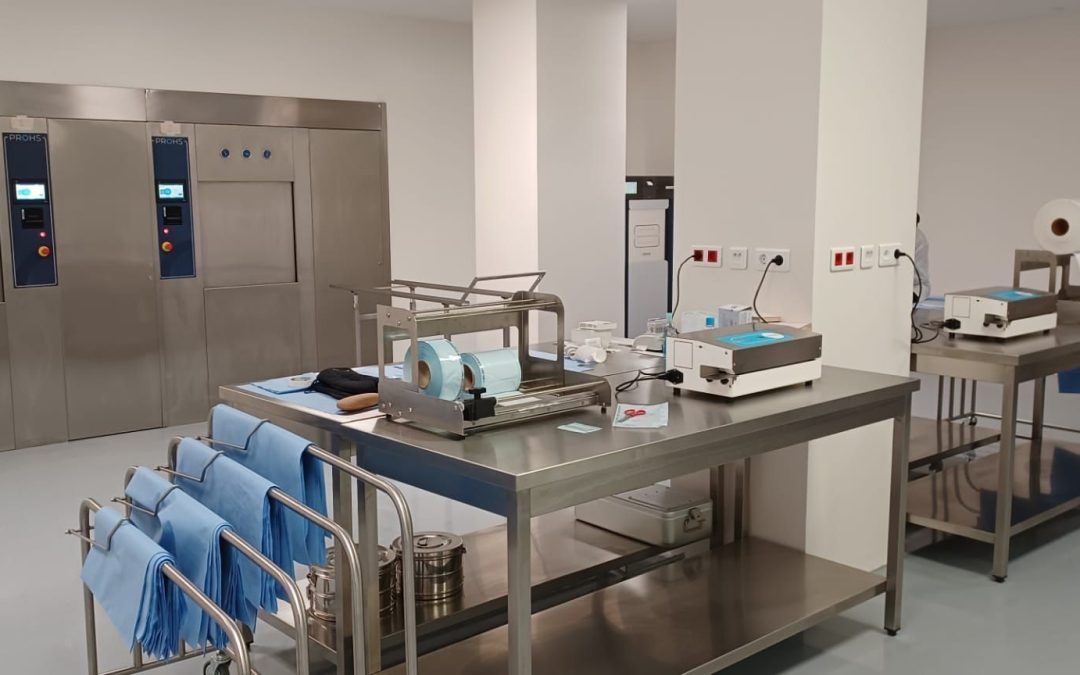

Today in healthcare, safe and high-quality care is a result of the work of competent clinicians and technology, as well as the systems that enable safe, high-quality healthcare. One of the most important, yet downplayed areas in any hospital isthe Central Sterile Supply Department ( CSSD). The establishment and effective functioning of a CSSD are key to infection control, operational productivity, and fundamental patient confidence.
CSSD and Patient Safety
The CSSD prepares, issues & controls sterilized items for the provision of patient services. From surgical instruments to reusable medical devices, the CSSD makes sure that each item returned to wards for the next patient is safe to use. Any breach in this chain may result in healthcare-associated infections (HAIs), which further prolong the suffering of patients, extend their hospital stay, and escalate healthcare spending.
The Role of CSSD in Patient Safety
Cleaning happens in CSSD, where staff also handle disinfecting and sterilizing tools. Instruments move through their system before reaching patients. Tools used during operations get processed here, too. Safety preparations apply to each piece coming back into hospitals. When something goes wrong, problems show up as infections tied to medical care. These events stretch recovery times, raise sickness severity, and push expenses higher.
When CSSD runs smoothly, hospitals lower the chance of infections spreading between people – both patients and staff stay safer because of it.
Compliance with Standards and Regulations
Every now and then, a hospital might forget it isn’t alone in following rules about cleaning gear. Global groups like the WHO keep reminding places that they need to get sterilization right. Local officials show up too, stressing how devices must be handled after use. When sterilization centers make sure their methods work, keep records clear, and also check things regularly, it becomes easier to stay within legal lines.
When CSSD lacks proper infrastructure or staff training, risks grow – hospitals might face fines, fail audits, or be forced to stop certain services altogether.
Improved Surgical and Clinical Efficiency
Without solid CSSD management, hospitals face steady disruptions. Instruments delivered promptly mean surgeries stay on track – fewer cancellations happen when supplies work right. Smooth operations here not only lift patient confidence but also fit more procedures into available space, keep staff organized, and conserve overall budgeted items.
Still, flawed CSSD methods often lead to low stock of clean instruments, wrong reprocessing moves, along with tangled workflows – each harming patient results.
Protection of Hospital Assets and Cost Control
When taken care of, medical tools last longer. Cleaning them right – along with smart handling and sterilizing – cuts down on expensive fixes or new buys. Tools live longer when care comes first. What happens if things get misplaced? Less waste shows up when tracking matters more.
Over time, choosing proper gear, workspace design, and skilled staff in CSSD leads to real financial benefits for the health center.
Importance of Trained Personnel and Proper Design
Good performance in CSSD depends on trained staff who know how sterilization works, how machines run, plus ways to stop infections. Just as key is planning smart layouts – keeping dirty zones apart from clean ones, then sterile zones too, so germs don’t spread easily.
When hospitals make learning ongoing and keep surgical supply units up to date, it shows they care about doing things right and keeping patients safe.
Building Trust and Hospital Reputation
Trust grows slowly, built each day inside hospital walls. When patients enter, they expect nothing less than safety. Staff rely on systems that work quietly behind the scenes. Sterile supplies arrive only when preparation matters most. A central sterilization department doing its job well means equipment is ready and trustworthy. Routine attention to avoiding infections changes how people see the place. Belief in care improves not through claims but steady outcomes. Word spreads not by announcements but by quiet confidence among neighbors.
Conclusion:
What holds together safe medical care? Often, it is the Central Sterile Supply Department quietly doing its job. When CSSDs are well built, properly fitted out, and handled by trained people, hospitals keep patients safer. They run smoother too. Rules get followed without extra stress piling up. Equipment lasts longer because problems get caught early. Where getting results matters most – this part cannot be ignored.